16 Sep 2026
Payment Route Alignments with Game Types on Britain's Licensed Platforms
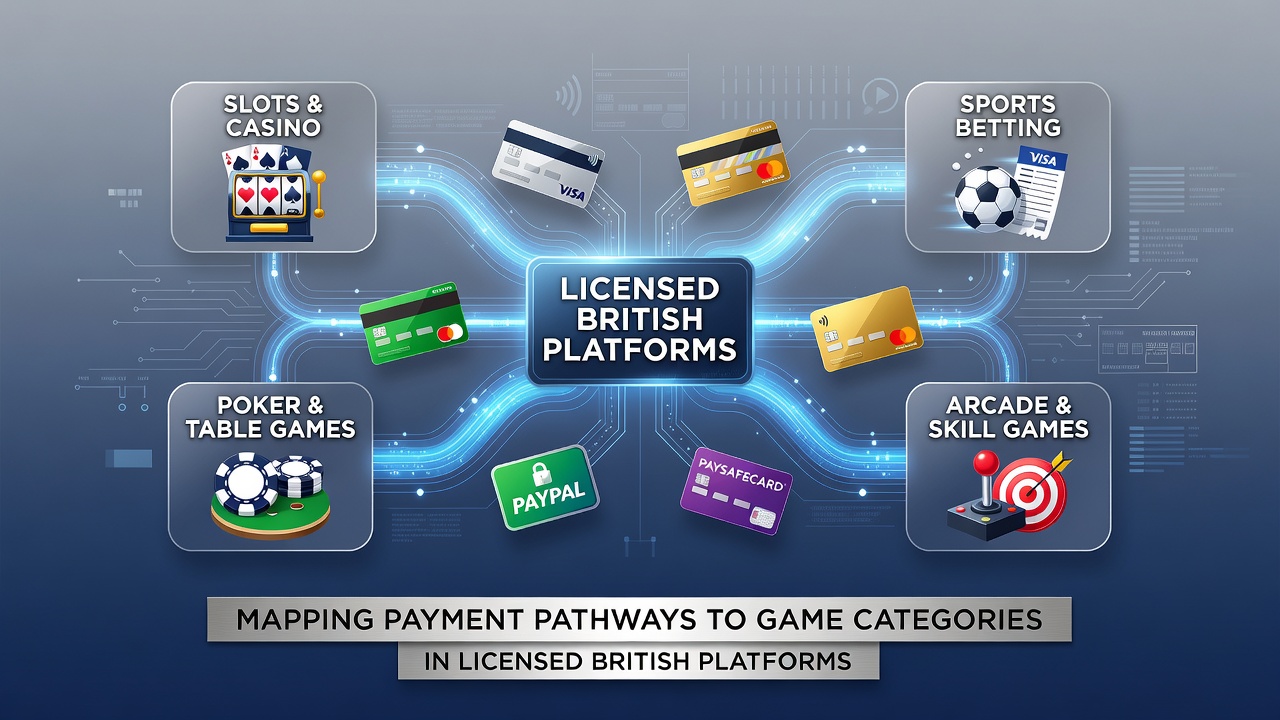
Payment methods in licensed British platforms follow distinct routes that align with specific game categories such as slots, blackjack and roulette, and those alignments have become clearer through industry data gathered up to September 2026. Operators structure these pathways around transaction speed, fee structures and regulatory requirements, which means card payments often route toward table games while e-wallets direct more traffic to slots and instant-win formats. Research from the Responsible Gambling Council in Canada indicates that such patterns emerge because faster settlement options reduce friction during high-volume play sessions that characterize slot categories.
Core Payment Options and Their Typical Routes
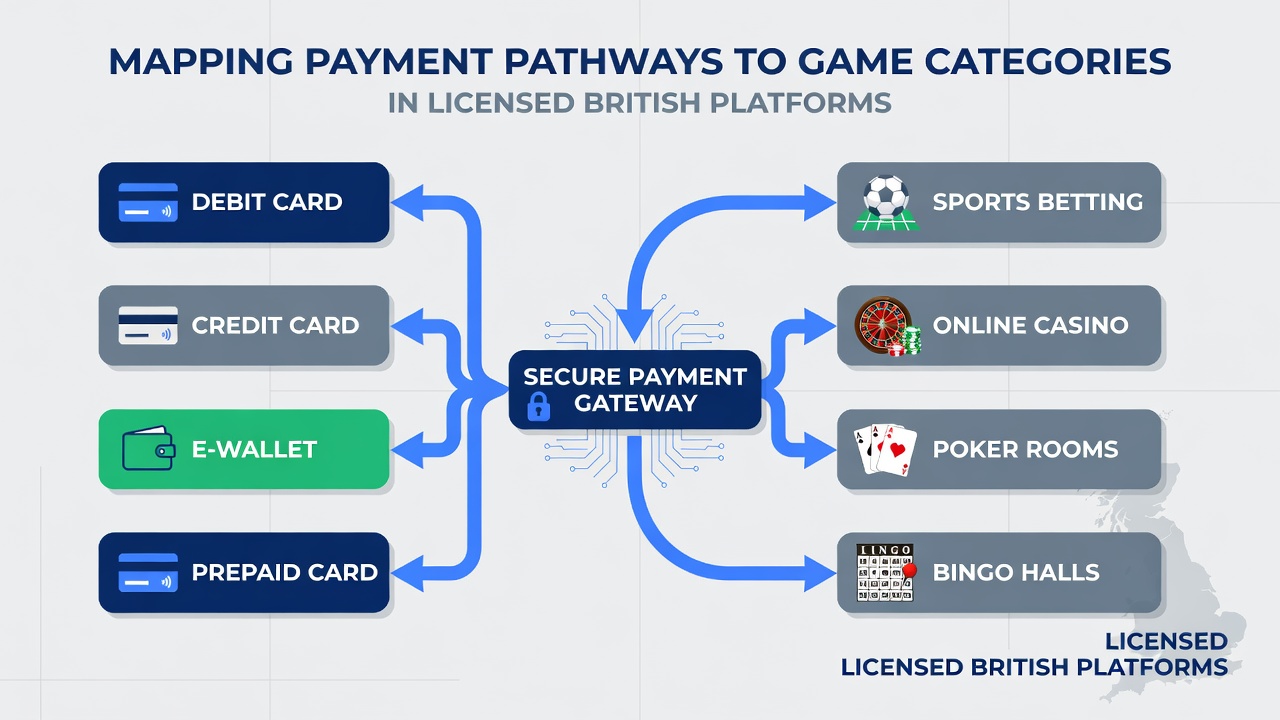
Debit and credit cards continue to serve as the backbone for many table-game categories because they support larger single transactions and integrate with responsible-gaming limits already embedded in operator systems, yet e-wallets and mobile wallets have carved out stronger positions in slots and roulette environments where smaller, repeated deposits occur. Bank transfers, by contrast, appear more frequently in high-stakes blackjack rooms where players prefer the added verification layers that accompany slower processing times. Observers note that these routing preferences reflect operational choices made by platforms rather than player preference alone, since each method carries different cost and compliance profiles that operators must balance.
Category-Specific Patterns Observed Across Platforms
Slots platforms show the highest concentration of instant-payment routes because the category relies on continuous play cycles that benefit from near-immediate funding confirmations, whereas blackjack and roulette tables often accommodate card-based pathways that allow for larger buy-ins and easier reconciliation at session end. Data compiled by the Victorian Responsible Gambling Foundation in Australia reveals that wallet-based deposits now account for over half of activity in automated game categories, while card usage remains steadier in live-dealer environments. Those who've examined transaction logs across multiple sites find that roulette sometimes bridges both patterns, drawing wallet traffic during quick-spin sessions and card traffic during longer, higher-limit rounds.
Regulatory and Operational Influences on Routing
Licensed operators must maintain clear records of payment flows to meet anti-money-laundering standards, which has led many platforms to segment payment options by game category in their backend systems. This segmentation allows compliance teams to flag unusual activity more quickly when, for example, rapid e-wallet deposits appear in a blackjack account that historically used slower bank transfers. Industry reports from the Nevada Gaming Control Board highlight similar segmentation practices in other regulated markets, suggesting the approach has become standard wherever platforms manage multiple game types under one licence. In September 2026, several British operators updated their internal dashboards to display these category-specific pathways in real time, giving compliance staff clearer visibility into how different payment rails interact with each game vertical.
Examples from Operational Data
Take one platform that routes debit-card deposits primarily to its blackjack and roulette lobbies while directing e-wallet transactions toward its slot portfolio; transaction volumes reported through that structure show slot play increasing during peak evening hours when instant funding matters most. Another site applies a small processing-fee filter that steers higher-value transfers into table games, resulting in blackjack tables receiving a larger share of bank-transfer activity. Researchers at the University of Sydney's Gambling Treatment and Research Centre have documented comparable routing decisions in other jurisdictions, noting that the choices often stem from fee negotiations between operators and payment providers rather than from any regulatory mandate.
Emerging Trends Through Late 2026
By September 2026, several British platforms had begun testing embedded wallet solutions that automatically suggest the most common payment route for each game category at the point of deposit. Early figures from those trials indicate that players accept the suggested route in roughly two-thirds of sessions, which in turn reduces support queries related to failed transactions. Industry groups such as the European Gaming and Betting Association have tracked these experiments and report that the automation also helps operators maintain consistent records across categories without manual intervention. The pattern suggests that payment pathways will continue to tighten their alignment with game types as platforms refine their systems further.
Conclusion
The mapping of payment pathways to game categories in licensed British platforms rests on observable operational and compliance factors that have produced consistent patterns across slots, blackjack and roulette offerings. Data from multiple regulatory and research bodies outside the UK shows these alignments evolving alongside technological updates, with operators adjusting routes to match the speed and volume requirements of each category. Continued monitoring through 2026 and beyond will reveal whether the current mappings remain stable or shift again as new payment technologies enter the market.